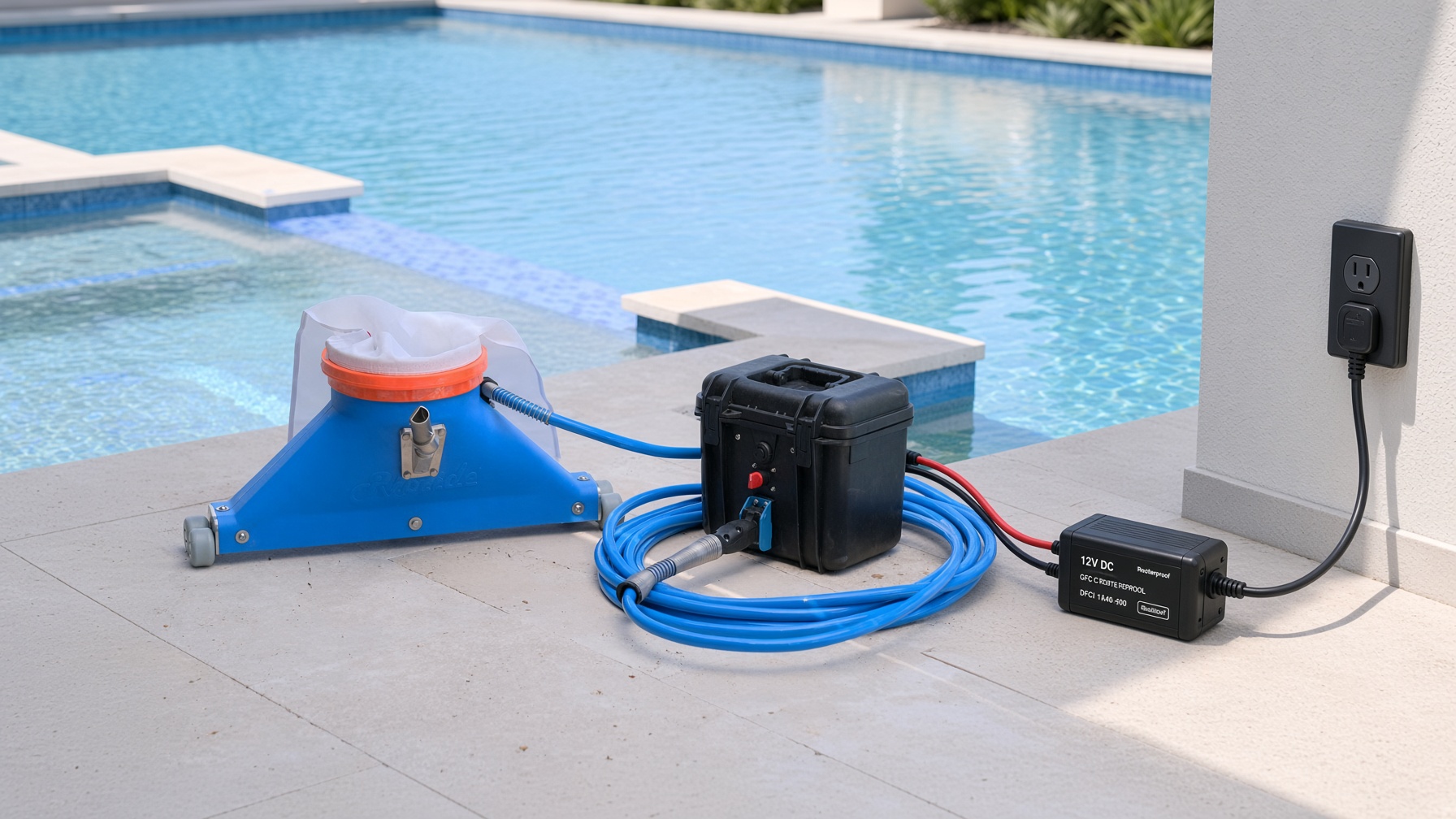

Algae spores ride in on wind, rain, swimsuits, and even the air. They are already in nearly every outdoor pool. They only turn the water green, cloudy, or slimy when conditions let them multiply: low sanitizer, warm water, stagnant spots, and a steady supply of organic nutrients. Prevention is far easier and cheaper than clearing a full bloom. The practices below keep those spores from ever gaining a foothold.
Keep Sanitizer and Chemistry in the Killing Zone
Free chlorine is the primary defense. Maintain it between 1 and 3 ppm (some pros prefer 2–4 ppm in hot weather or heavy-use pools). Below about 1 ppm, especially in warm water, algae can begin reproducing within a day or two. Test free chlorine at least two or three times a week during swimming season, and more often after parties, storms, or heat waves.
Chlorine only works well when the rest of the chemistry cooperates.  Hold pH between 7.2 and 7.6. As pH rises toward 7.8 and above, a much smaller fraction of the chlorine remains in its active hypochlorous-acid form, so a “normal” reading can still leave the pool under-sanitized. Total alkalinity of 80–120 ppm buffers pH so it does not swing wildly. Cyanuric acid (stabilizer) at 30–50 ppm protects chlorine from rapid sunlight loss; levels much higher than that can reduce chlorine’s effectiveness against algae and usually require partial draining to correct. Calcium hardness in the 200–400 ppm range keeps water balanced and surfaces protected.
Phosphates act as fertilizer for algae. If tests show elevated levels, a phosphate remover cuts off that food source. Weekly or bi-weekly shocking (a high dose of chlorine or a non-chlorine oxidizer) burns off the organic load that otherwise consumes sanitizer and feeds growth. After heavy rain or heavy bather load, shock sooner rather than later.
Circulate and Filter Continuously
Stagnant water is algae’s favorite neighborhood. Dead zones form behind ladders, in corners, on steps, and anywhere return jets do not reach. Run the pump long enough for at least one full turnover of the pool volume per day, commonly 8–12 hours in summer, longer during heat waves. Variable-speed pumps make extended low-speed runtime economical while still moving water effectively.
Angle return jets downward and in a circular pattern so water sweeps the floor and walls rather than short-circuiting to the skimmer. Clean skimmer and pump baskets often, and backwash or clean the filter on schedule. A dirty filter reduces flow and lets fine particles (and spores) recirculate.
Brush, Vacuum, and Skim Before Spores Settle
Algae begins as an invisible film. Brush walls, steps, ladders, and the floor at least weekly, even when the water looks perfect, to dislodge spores before they anchor. Use a brush matched to the surface (nylon for vinyl or fiberglass, stiffer bristles for plaster or concrete). Vacuum or run an automatic cleaner to remove the loosened material, and skim leaves, insects, and pollen daily. Organic debris decays into nutrients; removing it denies algae their meal.
Encourage swimmers to rinse off lotions and oils before entering. Those residues also consume chlorine and feed growth.
Add a Preventative Layer
A quality algaecide used weekly according to the label provides backup, especially in pools that see variable chlorine or heavy sun. Non-foaming formulas are preferable. After shocking, an algaecide dose can help keep residual spores from rebounding. Copper-based products are sometimes used for stubborn cases, but follow directions carefully to avoid staining.
A pool cover when the pool is idle reduces sunlight, debris, and temperature swings that favor algae. Trim overhanging branches so fewer leaves and less shade-related stagnation occur.
Seasonal and Situational Adjustments
Warm water accelerates everything. Increase testing frequency and runtime as temperatures climb. After storms, retest and shock; rain dilutes chemicals and washes in phosphates and spores. In winter or off-season, maintain a lower but steady sanitizer residual and periodic circulation so the pool does not sit untreated for months.
Consistent chemistry, movement, and cleaning stop most algae before it is visible. When those habits slip, green or mustard algae can establish quickly, but restoring the same fundamentals, plus brushing and filtration while the water is shocked, clears the majority of ordinary blooms. The goal is simply never to give the spores the quiet, under-sanitized, nutrient-rich corner they need.